Assessing Mobile Application Impacts on Reward Redemption Rates Within Authorized Sports Wagering Services
Paul Schröder · May 20, 2026
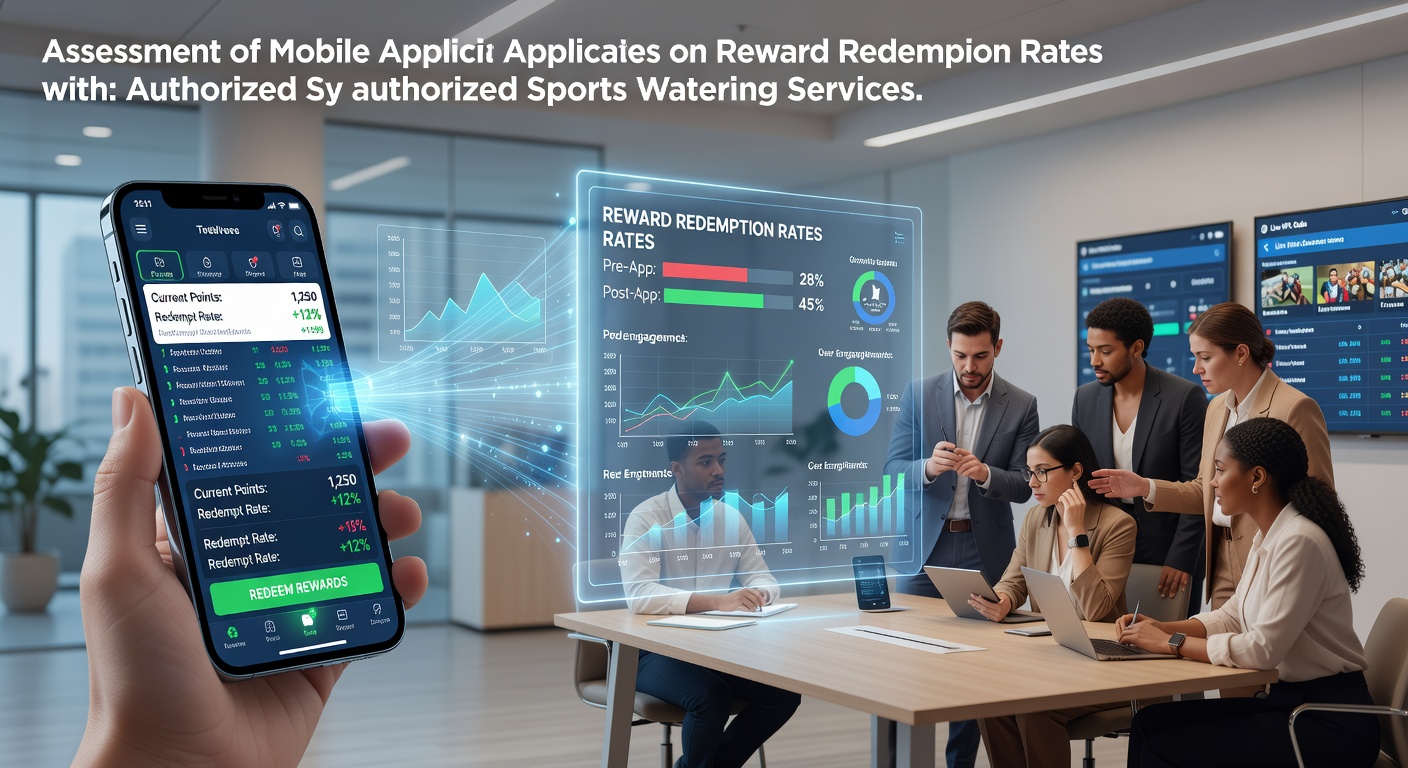
Assessing Mobile Application Impacts on Reward Redemption Rates Within Authorized Sports Wagering Services
Authorized sports wagering platforms have shifted reward structures dramatically since mobile applications became the primary access point for most users, and data collected across multiple states shows measurable changes in how often bettors claim bonuses, loyalty credits, and promotional offers. Researchers tracking usage patterns note that in-app redemption flows reduce steps compared with browser-based or retail counter methods, which correlates with higher completion rates in jurisdictions where apps operate legally. Figures from industry reports indicate redemption activity increased between 18 and 27 percent in markets that transitioned users from desktop or in-person channels to dedicated mobile software during 2024 and 2025.
How Interface Design Shapes User Behavior
App developers integrate reward notices directly into the main betting dashboard, so users encounter available offers while checking live odds or placing wagers rather than navigating separate menus. Studies conducted by academic teams at institutions such as the University of Nevada, Las Vegas, found that one-tap redemption buttons and persistent balance displays raise the likelihood that users complete the process before the offer expires. Observers note that color-coded progress bars and countdown timers further prompt action, while desktop versions often require additional clicks or page reloads that interrupt the flow.
Push notifications timed around deposit confirmations or milestone achievements also contribute to these shifts. When operators send alerts about expiring loyalty points or new bonus tiers, redemption windows close faster because recipients act immediately within the same application session. Regulatory filings submitted to state gaming control boards document that operators adopting notification-driven campaigns recorded redemption spikes of up to 34 percent within the first quarter of implementation.
Comparative Data Across Platforms and Regions
Analysts comparing mobile-first operators against those still emphasizing web portals report consistent gaps in redemption efficiency. Mobile applications in states such as Pennsylvania and Michigan show average redemption times under 90 seconds once an offer appears, whereas browser sessions average closer to three minutes according to aggregated transaction logs. These differences accumulate across large user bases, producing noticeable lifts in overall program utilization.
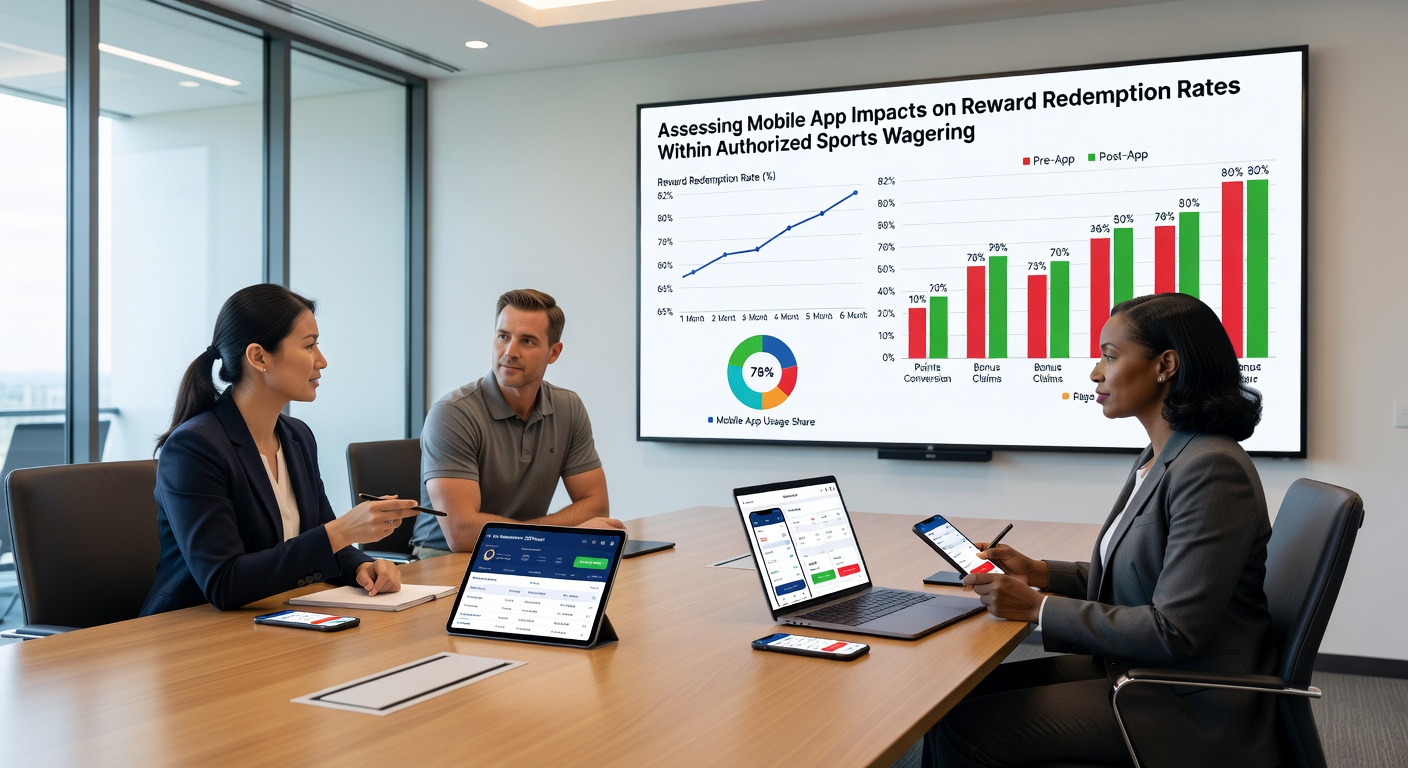
Cross-border comparisons add further context. Canadian provincial regulators and Australian state commissions have published parallel findings where mobile integration lifted reward uptake in regulated markets, although local rules on bonus structures vary. Data released in early 2026 continues to track these patterns as more jurisdictions refine technical standards for app approval.
Security Protocols and Their Influence on Completion Rates
Security layers built into authorized apps, including biometric confirmation and device-binding requirements, create both friction and reassurance. While extra authentication steps occasionally cause drop-offs, users who complete verification report higher trust levels that encourage repeated engagement with loyalty features. Operators that streamlined two-factor processes through facial recognition or fingerprint options saw redemption retention improve by roughly 12 percent compared with password-only flows, per internal metrics shared with oversight agencies.
Transaction histories reveal that satisfied users often return to redeem tiered rewards more frequently when the app maintains consistent session security without forcing re-logins. Researchers examining datasets from multiple operators note that seamless payment integration tied to reward accounts reduces hesitation, particularly for smaller-value redemptions that users once ignored on less optimized interfaces.
Regulatory Adjustments and Their Effects by May 2026
State rules updated through the first half of 2026 continue to shape how rewards appear and function inside mobile applications. Requirements for clear expiration language, responsible gaming prompts, and spending limit displays now sit alongside redemption buttons in most approved apps. Compliance teams adjust layouts to meet these mandates while preserving the convenience that drives higher completion numbers.
Reports filed with bodies such as the New Jersey Division of Gaming Enforcement and the British Columbia Lottery Corporation illustrate that operators maintaining transparent reward mechanics experience steadier user retention, even as regulatory scrutiny increases. Those adjustments coincide with ongoing monitoring of how mobile features influence overall redemption volumes across authorized services.
Conclusion
Mobile applications have become central to measuring and improving reward redemption outcomes in authorized sports wagering environments. Design choices around notifications, verification speed, and dashboard placement produce measurable differences in how often users convert offers into completed transactions. Continued data collection through 2026 will clarify which refinements deliver the strongest results while operators balance convenience against regulatory expectations.