Decoding how regulatory timelines intersect with feature accessibility to shape engagement flows in jurisdiction-compliant mobile wagering interfaces
Avery Bennett · Jun 17, 2026
Decoding how regulatory timelines intersect with feature accessibility to shape engagement flows in jurisdiction-compliant mobile wagering interfaces
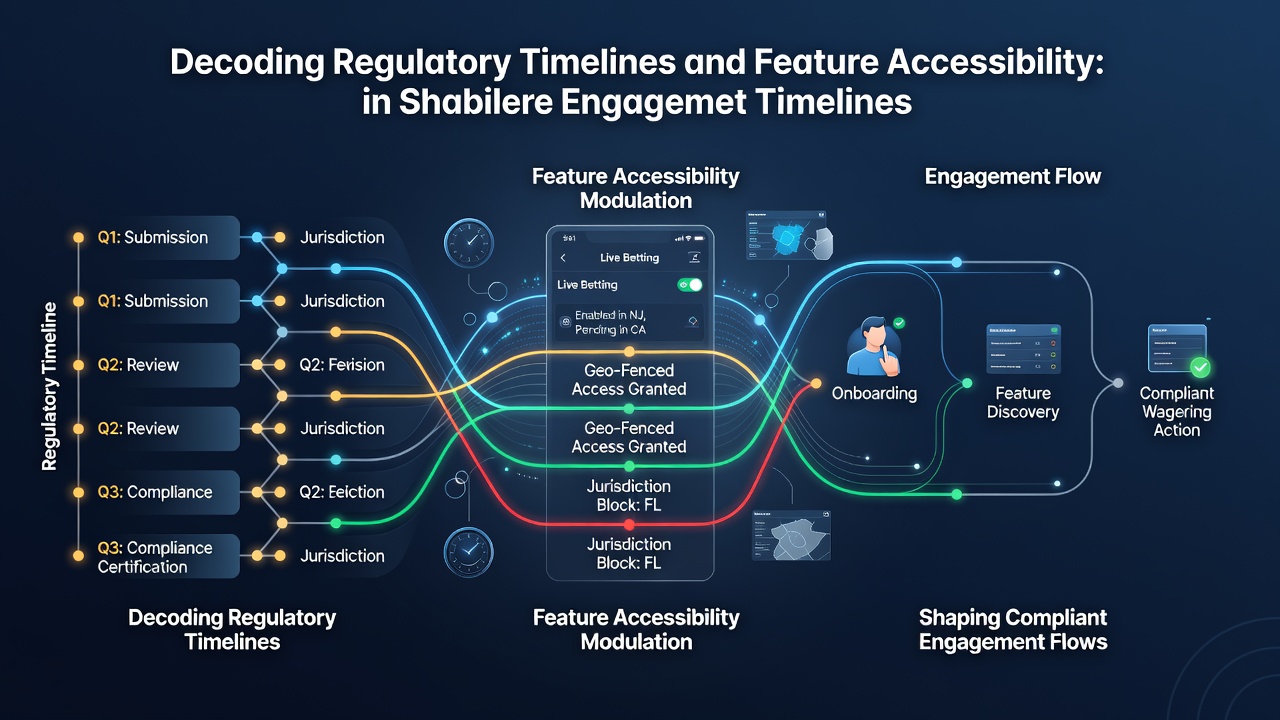
Regulatory timelines dictate when operators may introduce or modify specific functions in mobile wagering platforms, and these schedules directly determine which features become available to users at any given moment. Jurisdictions establish approval windows for updates ranging from live odds adjustments to deposit integrations, which forces developers to sequence accessibility in strict alignment with licensing conditions. Observers note that such sequencing creates engagement flows where users encounter certain options only after designated review periods conclude, often spanning weeks or months depending on the authority involved.
Regulatory Approval Cycles Across Regions
Approval cycles vary considerably between markets, with some requiring pre-launch demonstrations of every interface element while others permit phased rollouts after initial certification. Data from mid-2025 shows that several U.S. states implemented 45-day review windows for any change affecting real-time bet placement, whereas Canadian provincial regulators often complete similar assessments within 30 days when documentation meets standardized templates. Researchers tracking these patterns found that operators serving multiple regions must maintain parallel development tracks to satisfy overlapping deadlines, which delays feature parity across applications.
By June 2026 several additional European markets plan to synchronize their update verification processes through shared technical standards, potentially shortening average approval periods by up to 20 percent according to industry consortium projections. Those timelines still require operators to submit accessibility audits proving that new functions remain unavailable until formal sign-off occurs, thereby preserving uniform compliance across borders.
Feature Accessibility Constraints
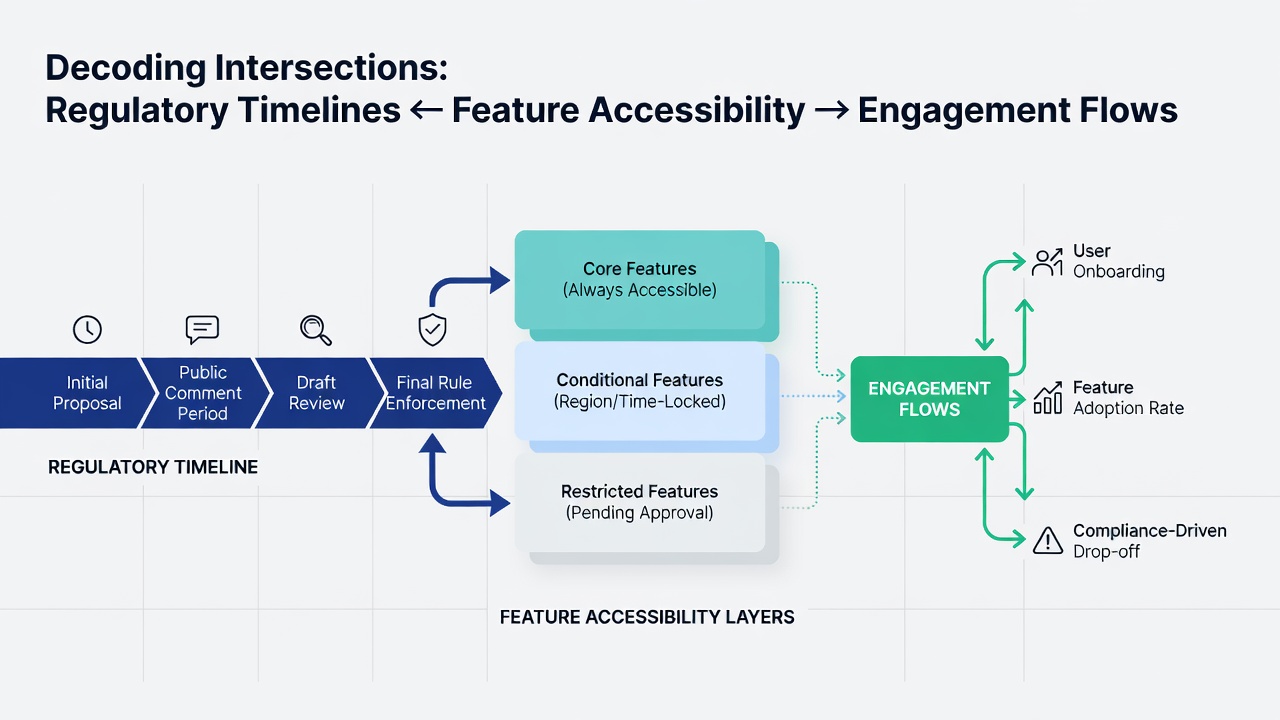
Feature accessibility hinges on successful navigation through these regulatory gates, meaning functions such as instant cash-out buttons or personalized odds panels remain locked until licensing bodies confirm adherence to responsible gambling protocols. Experts have observed that accessibility restrictions frequently extend beyond core betting mechanics to encompass ancillary tools like responsible gaming limit setters, which must also clear review before users can interact with them. This layered gating produces engagement flows where initial sessions emphasize only verified elements, guiding participants toward compliant pathways from the outset.
Studies conducted by academic teams at institutions monitoring gambling technology indicate that staggered accessibility correlates with measurable differences in session duration, particularly when users must wait for secondary features to activate after account verification completes. Operators respond by designing interim interfaces that highlight currently permitted actions, thereby maintaining momentum while awaiting further approvals.
Shaping User Engagement Patterns
Engagement flows adapt around these accessibility schedules because users learn to anticipate which actions remain available during specific regulatory windows. When a jurisdiction mandates extended testing for live event integrations, platforms often route traffic toward pre-match markets first, then gradually introduce live options once clearance arrives. Analysts tracking navigation data report that such sequencing influences deposit timing as well, since funding modules tied to newly approved features activate only after the same compliance milestones.
What's interesting is how operators use progress indicators within apps to communicate upcoming accessibility dates, allowing users to plan interactions around known regulatory checkpoints. This transparency reduces friction during transition periods, yet it also creates predictable spikes in activity immediately following approval announcements. Research indicates that jurisdictions publishing clear calendars for upcoming reviews experience steadier engagement curves compared with those issuing approvals on ad-hoc schedules.
Case Examples from Multiple Jurisdictions
Take the experience in one North American state where regulators extended review timelines for any interface element involving geolocation verification during 2025. Operators responded by prioritizing non-location-dependent features such as basic account dashboards while postponing advanced location-aware promotions until certification concluded. Similar patterns emerged in Australian territories that aligned accessibility releases with quarterly compliance audits, resulting in synchronized feature launches across multiple licensed platforms.
According to reports published by the American Gaming Association, these synchronized releases helped standardize user expectations and reduced support queries related to missing functions. Meanwhile, data compiled by Canadian regulatory working groups highlighted that shorter, predictable timelines encouraged operators to bundle multiple enhancements into single submissions, thereby minimizing repeated testing cycles.
Conclusion
The intersection of regulatory timelines and feature accessibility continues to define how engagement unfolds within jurisdiction-compliant mobile wagering interfaces. Operators that align development roadmaps with approval calendars maintain consistent user pathways while satisfying licensing requirements across regions. As more markets coordinate their verification processes by June 2026, observers expect accessibility schedules to become more transparent, allowing engagement flows to evolve with fewer interruptions tied to compliance delays. Continued monitoring of these dynamics provides valuable insight into how regulatory structures shape everyday interaction patterns in authorized platforms.