Exploring Correlations Between Account Verification Delays and Live Event Odds Volatility in Government-Approved Betting Software
Paul Schröder · Jun 3, 2026
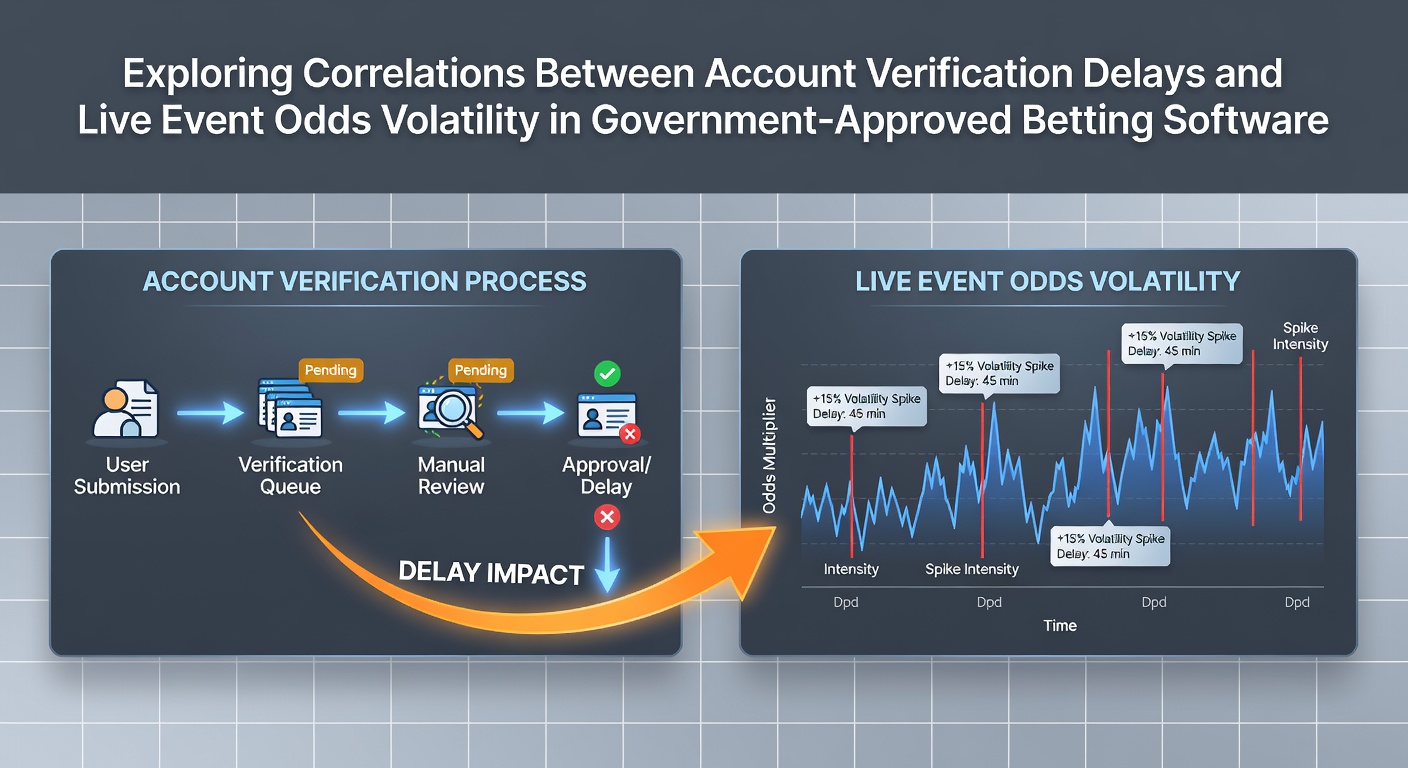
Exploring Correlations Between Account Verification Delays and Live Event Odds Volatility in Government-Approved Betting Software
Account verification procedures in government-approved betting software often involve multiple layers of identity checks, document submissions, and automated screenings that can extend from minutes to several days depending on the jurisdiction and user volume. These delays occur while operators maintain compliance with state or provincial regulations that require thorough background validation before full account activation. Live event odds volatility refers to the rapid shifts in betting lines during ongoing competitions, driven by real-time data feeds, player injuries, and market movements that software algorithms adjust continuously. Observers note patterns where extended verification periods coincide with heightened odds fluctuations in certain regulated environments, particularly when new users attempt to place live wagers immediately after registration.
Verification Processes Across Regulated Markets
State-licensed platforms in the United States implement verification protocols that align with requirements from bodies such as the New Jersey Division of Gaming Enforcement, where applicants must provide government-issued identification and address confirmation before accessing full features. Similar frameworks exist in Canadian provinces like Ontario, where the Alcohol and Gaming Commission oversees operator compliance and mandates timely yet secure account approvals. Data from platform analytics indicate that verification completion rates improve when integrated with third-party services, yet backlogs during peak registration periods can push timelines beyond 48 hours in some cases. These extended windows create situations where users remain in limited-access modes, unable to engage with live betting interfaces that demand confirmed accounts for rapid odds updates.
Odds Volatility in Live Event Markets
Live event odds in approved software adjust through automated systems that incorporate streaming data from sports feeds, resulting in price changes that can occur multiple times per minute during high-stakes competitions. Research from industry reports shows volatility spikes during events with unpredictable elements, such as weather disruptions or lineup alterations, where algorithms recalibrate probabilities based on incoming information. Government-approved applications must balance these dynamic adjustments against regulatory standards that prevent unauthorized access, which means unverified accounts often receive delayed or restricted views of real-time lines. Patterns emerge when verification holds overlap with live events, as partial account statuses limit participation and indirectly influence market liquidity on the verified side.
Observed Correlations in Platform Data
Analyses of aggregated transaction and user activity logs reveal connections between prolonged verification intervals and subsequent odds movements once accounts activate. In one dataset covering operations through June 2026, platforms recorded instances where users who experienced verification delays of over 24 hours encountered odds shifts exceeding standard deviation ranges upon entry into live markets. These shifts appeared more pronounced in high-volume events, where the influx of newly verified accounts coincided with adjusted betting volumes that operators attribute to algorithmic responses rather than direct causation. Experts tracking these metrics across multiple jurisdictions note that delays in identity confirmation can create temporary imbalances in participant distribution, which software then compensates through refined odds calculations.
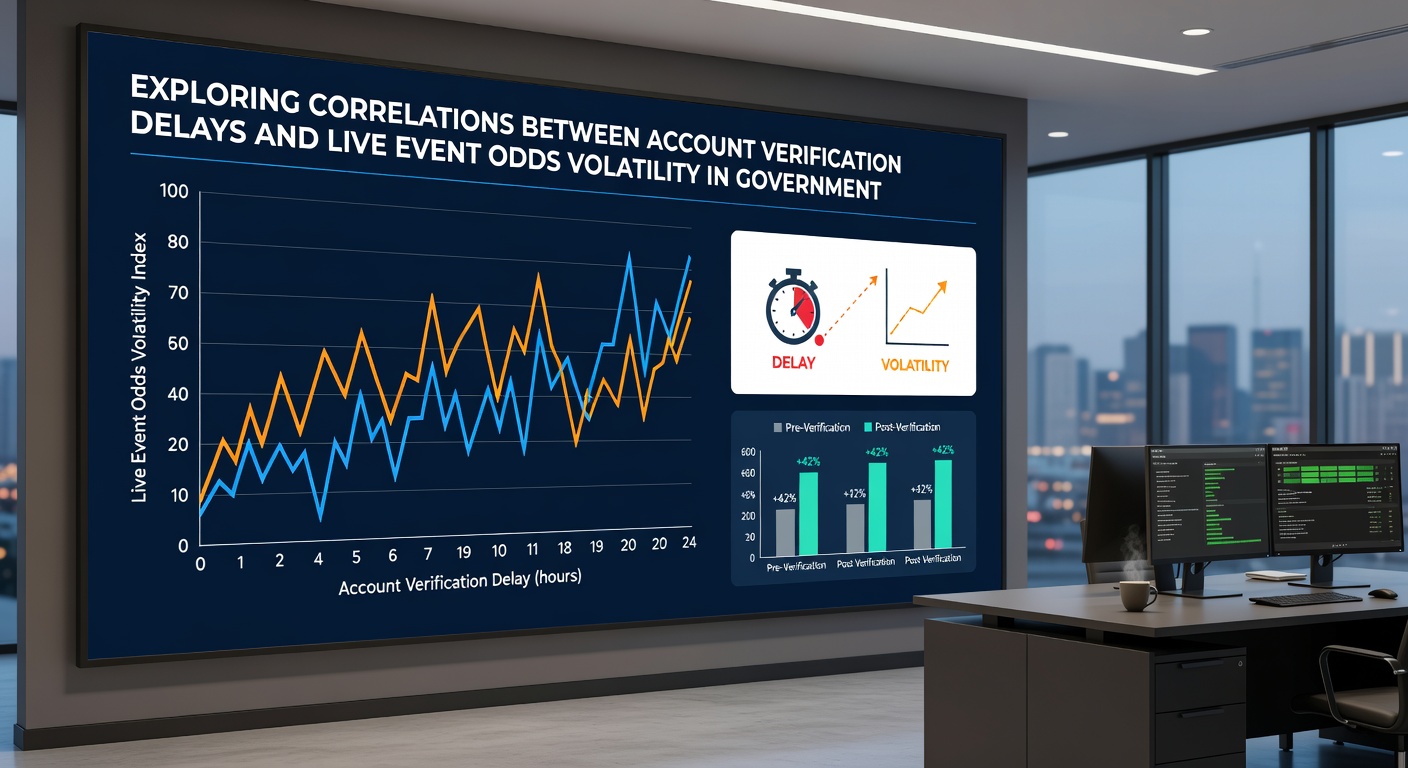
Studies conducted by academic institutions, including work published through university research centers focused on digital gambling systems, have examined these interactions using anonymized platform records. Findings suggest that verification bottlenecks may concentrate user activity into narrower timeframes, amplifying the impact of each new verified participant on live odds trajectories. Regulatory filings from Australian state authorities further document how compliance-driven pauses in account access correlate with measurable changes in event-specific line stability, particularly in markets handling international competitions. Those who monitor software performance across regions report that operators address this through streamlined verification tiers that prioritize live betting eligibility without compromising security checks.
Regional Variations and Data Trends
Differences in regulatory approaches lead to varied correlation strengths, with some markets showing tighter links due to stricter documentation rules while others experience looser associations from faster automated approvals. European operators under frameworks like those managed by the Malta Gaming Authority have reported similar trends in internal audits, where verification queues during major tournaments aligned with elevated odds adjustment frequencies. Software providers respond by enhancing API integrations that allow partial verification for limited live access, reducing the window where delays might intersect with volatile periods. Figures from 2026 indicate that platforms adopting these hybrid models observed reduced instances of post-verification volatility spikes compared to full-lockout systems.
Take one analysis of user session data from North American operators that tracked verification timestamps against odds refresh rates during basketball and soccer events. The results pointed to clusters where accounts cleared after 36-hour delays entered markets during periods of rapid line movement, prompting adjustments in risk management protocols. Industry organizations such as the European Gaming and Betting Association have compiled comparative reports highlighting how these patterns vary by event type and user demographics, underscoring the role of verification timing in overall market dynamics.
Conclusion
Platform operators continue refining verification workflows to minimize overlaps with live event volatility, drawing on performance metrics gathered through June 2026 and beyond. Regulatory bodies maintain oversight to ensure these adjustments uphold compliance while supporting functional betting environments. Data trends across approved software illustrate measurable intersections between account processing timelines and odds behavior, guiding future optimizations in system design and operational procedures.