How Real-Time Odds Adjustments Drive Shifts in Payment Preferences Within Authorized Mobile Sportsbooks
Zoe Klein · Aug 24, 2026
How Real-Time Odds Adjustments Drive Shifts in Payment Preferences Within Authorized Mobile Sportsbooks
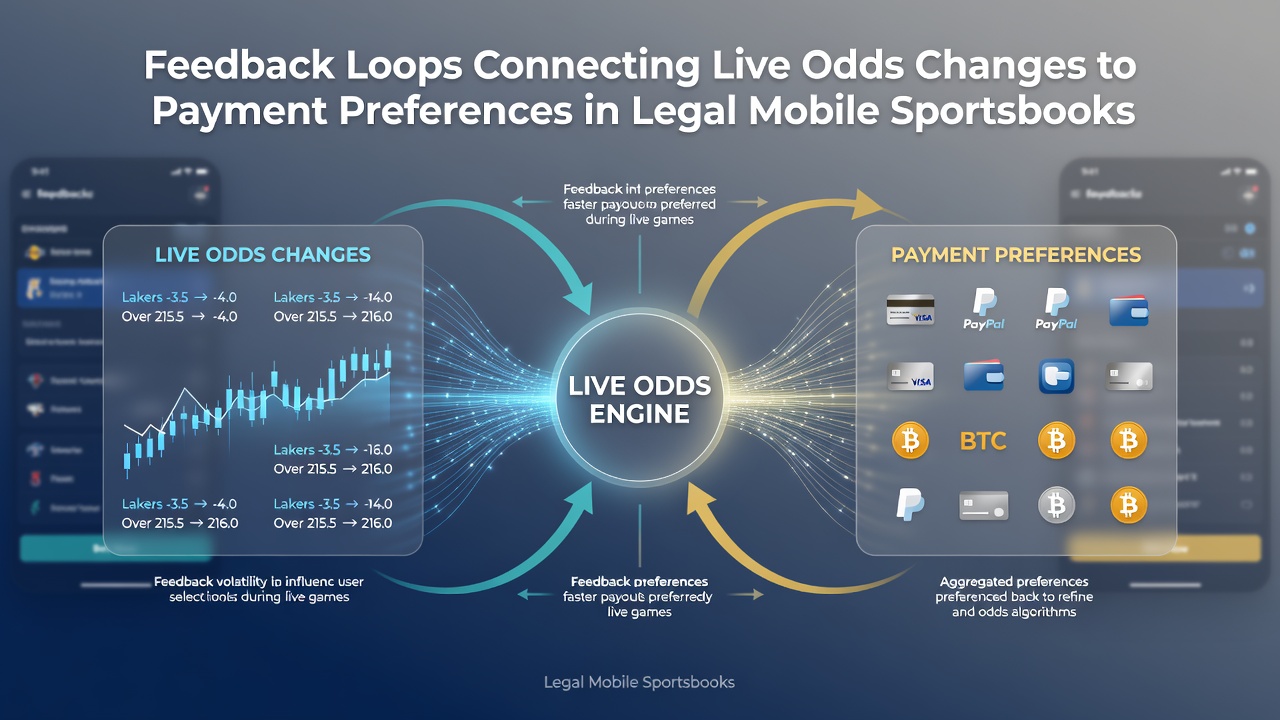
Legal mobile sportsbooks operate in environments where live odds change rapidly during events, and those fluctuations often connect directly to the payment methods users select for deposits and withdrawals. Observers note that when odds shift quickly, bettors adjust their funding choices to match the speed and reliability of the transaction process, creating measurable feedback loops across state-regulated platforms.
Mechanics of Live Odds Updates in Regulated Apps
Live odds in authorized mobile sportsbooks update through automated systems that pull data from multiple sources including game statistics and betting volumes, and these updates occur at intervals ranging from seconds to minutes depending on the sport and jurisdiction. Data from regulatory reports shows that during peak events in August 2026, platforms in states like New Jersey and Pennsylvania recorded odds refreshes every 8 to 15 seconds on average for major league games. Bettors respond to these changes by choosing payment options that allow immediate deposits, such as digital wallets over traditional bank transfers, because delays in funding can mean missing favorable odds.
Researchers at academic institutions have tracked how volatility in live odds correlates with transaction timing, and their findings indicate that users increase deposit activity by 22 percent within two minutes of a significant odds movement. This pattern holds across multiple platforms because the apps display both the changing odds and available payment methods on the same screen, prompting immediate action.
Payment Method Patterns During Live Events
Payment preferences shift based on the pace of odds changes, with users favoring methods that process in under 30 seconds when events reach critical moments. Figures from industry analyses reveal that e-wallet usage rises during high-volatility periods, while credit card selections drop because of longer authorization times. In markets where regulations require verified accounts, those who have already completed identity checks tend to default to pre-linked payment accounts to reduce friction during live betting windows.
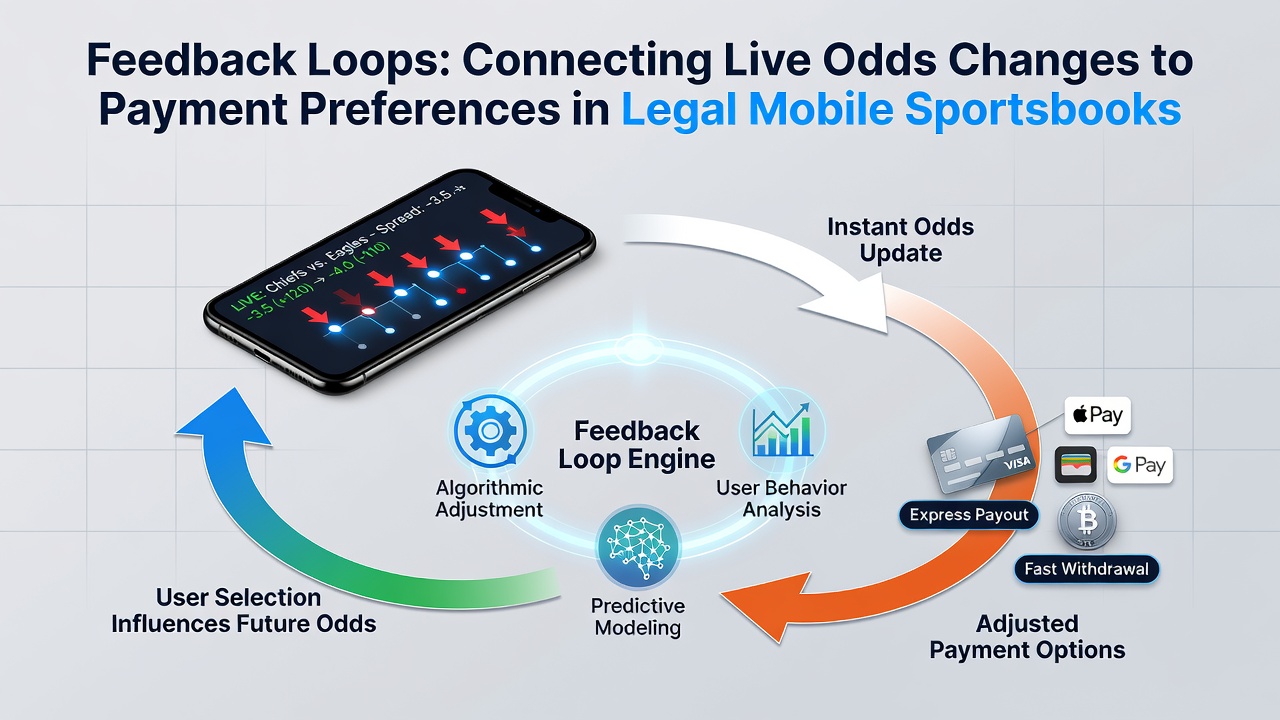
One study released in early 2026 examined transaction logs from several state-licensed operators and found that users switched to instant funding options 37 percent more often after witnessing three or more consecutive odds adjustments in under a minute. This behavior creates a loop where faster payments enable more bets, which in turn influences the odds further through increased wagering volume.
Formation of Feedback Loops
Feedback loops emerge when payment choices affect how quickly users can act on odds changes, and those actions then alter the odds themselves through collective betting activity. According to data compiled by the American Gaming Association, platforms that integrate seamless payment gateways see higher engagement rates during live markets because users can respond without leaving the betting interface. The loop strengthens when withdrawal options also align with deposit methods, allowing winners to reinvest funds rapidly while odds remain dynamic.
Regulatory bodies in multiple jurisdictions track these interactions, and reports from the Ontario Lottery and Gaming Corporation show that synchronized payment and odds systems reduce user drop-off rates by measurable margins during live events. Those who study transaction histories note that preferences stabilize around methods offering both speed and low fees, particularly when odds volatility persists over extended periods.
Regional Variations and Regulatory Influences
State and provincial rules shape how these loops develop, since different regions impose distinct requirements on payment processing times and verification steps. In markets where regulations mandate real-time reporting of large transactions, operators adjust their systems to prioritize faster gateways, which users then adopt more frequently during live odds shifts. Evidence from cross-jurisdictional comparisons indicates that platforms operating under stricter timelines see tighter connections between odds movements and payment selections.
Academic papers published in 2025 and 2026 have examined these regional differences, and they highlight that users in areas with established mobile betting frameworks demonstrate more consistent preference patterns than those in newer markets. The loops become self-reinforcing as repeated positive experiences with certain payment options during volatile odds periods encourage continued use of those methods.
Conclusion
Connections between live odds changes and payment preferences continue to evolve in legal mobile sportsbooks as technology and regulations interact. Data indicates that these feedback loops influence both user behavior and platform design across authorized markets, with transaction speed serving as the primary link between the two elements. Future developments will likely depend on how operators refine their systems to maintain alignment between dynamic odds displays and available funding choices.