How State-Specific Bonus Structures Influence Deposit Method Preferences in Emerging Mobile Wagering Markets
Avery Bennett · Jun 6, 2026
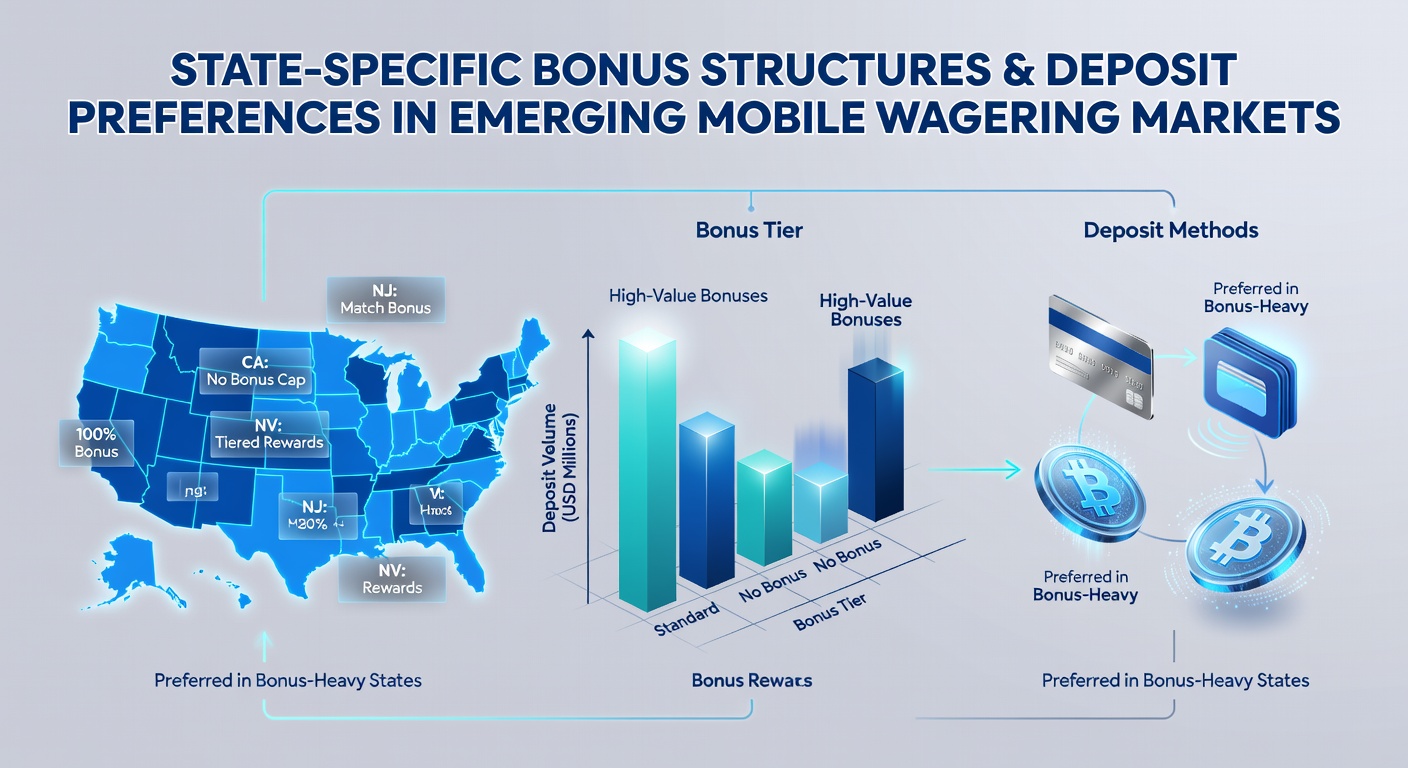
How State-Specific Bonus Structures Influence Deposit Method Preferences in Emerging Mobile Wagering Markets
State regulations shape bonus structures in mobile wagering markets that have opened since 2018, and those rules directly affect which deposit methods users select when funding accounts. Different jurisdictions impose varying requirements on how bonuses activate, how much users must deposit to qualify, and what payment rails count toward those thresholds, creating distinct patterns in transaction behavior.
Research from regulatory filings shows that states requiring minimum deposits of $20 or more for bonus eligibility see higher adoption of ACH transfers and debit cards, whereas jurisdictions allowing smaller entry points witness more frequent use of digital wallets. These differences emerge because operators align their promotional terms with local statutes, and users respond by choosing methods that unlock rewards without extra fees or delays.
Bonus Structures Vary by Jurisdiction
Each state sets its own parameters around welcome offers and ongoing promotions, and these parameters determine deposit preferences in measurable ways. In markets where regulators mandate that bonus funds must be wagered through specific banking channels, users gravitate toward methods already integrated into state-approved platforms. Observers note that states with strict cash-handling rules often exclude cryptocurrency deposits from bonus calculations, pushing bettors toward traditional options such as credit cards or prepaid vouchers.
Data collected through June 2026 indicates that emerging markets in the Midwest and Southeast display stronger correlations between bonus size and deposit method than older markets like New Jersey or Pennsylvania. Newer states frequently introduce higher match percentages tied to first-time deposits above certain amounts, and this structure encourages users to select fee-free methods that preserve the full bonus value.
Deposit Methods and Their Regulatory Fit
Common deposit options include credit and debit cards, ACH bank transfers, e-wallets, and in some cases prepaid cards or cash at retail locations. State rules influence which of these qualify for promotional matching. For instance, several jurisdictions prohibit bonus activation on credit card deposits to discourage borrowing, while others explicitly allow them when the transaction processes through a state-licensed processor.
Payment flows tracked in 2025 and early 2026 reveal that e-wallet usage rises sharply in states where operators must verify funds within 24 hours to release bonus credits. ACH transfers, by contrast, gain traction in states with longer settlement windows because users accept the delay in exchange for lower fees that keep more money available for play.
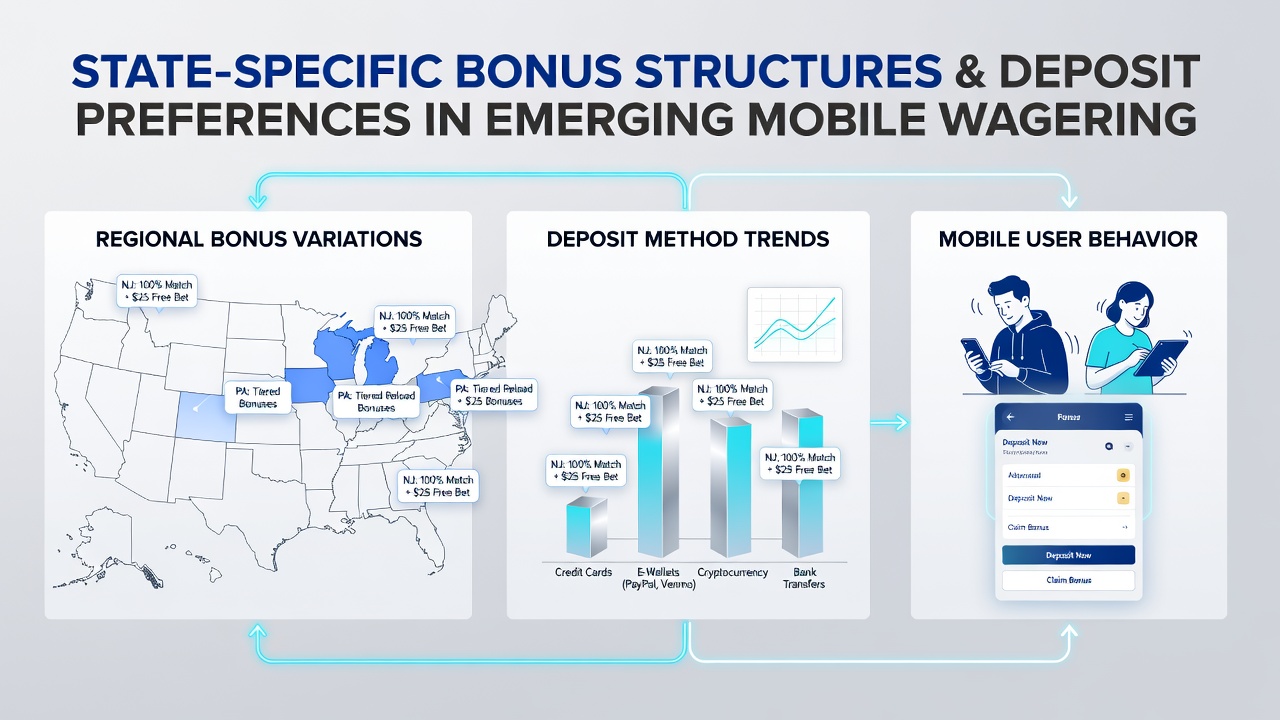
Observed Patterns Across Emerging Markets
Analysts tracking transaction data across newly authorized states find that deposit preferences shift within the first six months after launch. Initial spikes in credit card use often give way to e-wallet dominance once users learn which methods trigger bonus releases without additional verification steps. One study of three Midwestern states showed a 34 percent increase in e-wallet deposits after operators adjusted bonus terms to accept those transactions on equal footing with bank transfers.
Geographic differences also appear when comparing southern states to western markets. Southern jurisdictions tend to favor retail-funded prepaid options that align with cash-based bonus promotions at partner locations, while western states with more mature payment infrastructure see faster adoption of instant bank transfers. These trends hold steady through June 2026 as additional states prepare to launch mobile platforms.
Operator Adaptations and User Responses
Operators adjust their payment integrations based on state-specific bonus language, and users quickly identify the most efficient paths. When a state requires that bonus funds remain separate from deposits made via certain cards, bettors migrate toward methods that allow seamless separation of funds. Industry reports compiled by the National Council on Problem Gambling document these shifts through aggregated anonymized transaction logs submitted by licensees.
Research conducted at the University of Nevada, Las Vegas, examined bonus activation rates and found that deposit method selection correlates strongly with the time required to clear funds for wagering. States that permit same-day bonus crediting for e-wallet deposits record higher repeat usage of those wallets compared with states that impose a mandatory hold period regardless of method.
Conclusion
State-specific bonus structures continue to steer deposit method preferences in emerging mobile wagering markets by aligning promotional eligibility with particular payment rails. Transaction data through June 2026 demonstrates consistent patterns where regulatory wording on minimum deposits, eligible channels, and release timelines directly shapes user choices. As more states authorize mobile platforms, these interactions between rules and payment behavior are expected to remain central to market dynamics.