How Visual App Layouts Guide Payment Selection and Real-Time Bet Adjustments in Government-Regulated Sportsbooks
David Flores · Jun 15, 2026
How Visual App Layouts Guide Payment Selection and Real-Time Bet Adjustments in Government-Regulated Sportsbooks
Visual app layouts in government-regulated sportsbooks shape how users select payment methods and tweak bets during live events, with design choices that prioritize clarity and compliance across state-licensed platforms. These interfaces organize information through color schemes, button placement, and interactive elements that direct attention toward approved funding options while supporting rapid modifications to wagers as game conditions shift. Data from regulated markets shows that streamlined layouts correlate with higher completion rates for deposits and adjustments, particularly during peak hours when events unfold quickly.
Interface Elements That Shape Payment Choices
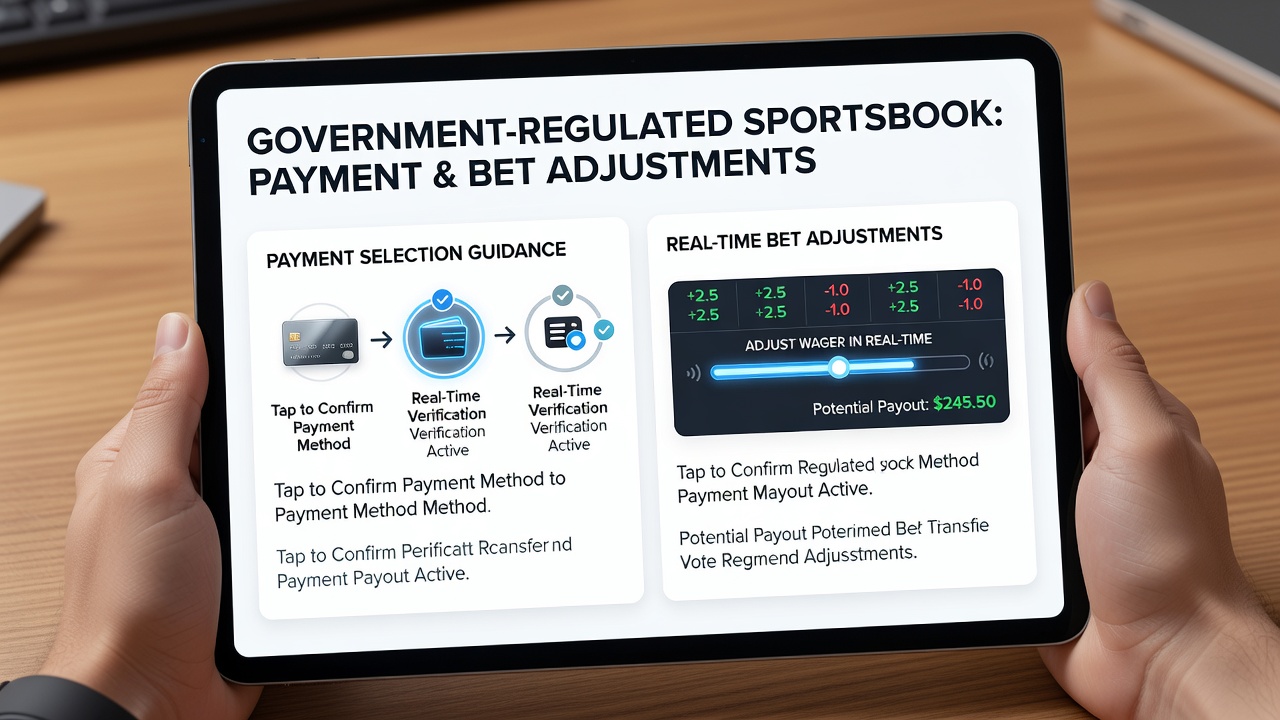
Layouts often feature grouped icons for payment methods, with prominent displays for debit cards, e-wallets, and bank transfers that meet regional licensing standards, and these groupings reduce search time by clustering options based on frequency of use in that jurisdiction. In markets active as of June 2026, apps incorporate visual cues such as checkmarks or highlighted borders around verified methods, which guides users toward selections that align with transaction limits set by state authorities. Researchers note that horizontal scrolling carousels allow simultaneous viewing of multiple gateways, while vertical stacks emphasize security badges that build on established user habits from prior sessions.
Color contrast plays a role here too, as regulated operators apply distinct hues to separate instant transfers from those requiring additional verification steps, and this differentiation helps maintain adherence to rules that vary by location. Observers have tracked how such visual hierarchies appear in apps licensed in multiple states, where the same core design adapts to local preferences without altering the underlying compliance framework.
Real-Time Bet Adjustments Through Interactive Visuals
Sliders and touch-responsive dials enable bettors to modify stake amounts or odds selections mid-event, and these tools update displayed potential returns instantly as inputs change. Government-regulated platforms embed these features within dedicated live-betting panels that expand or contract based on screen orientation, keeping critical data like current odds and available adjustments within a single view. Studies from industry monitoring groups indicate that apps using expandable accordions for adjustment options see sustained engagement during extended matches, since users avoid navigating away from the main event feed.
Visual feedback mechanisms, such as progress bars that fill as adjustments process, provide confirmation without interrupting the flow of the game view. Those who analyze usage patterns across approved software report that integration of gesture-based controls, like pinch-to-zoom on odds charts, supports precise tweaks while the layout remains anchored to payment status indicators at the bottom of the screen.
Integration of Payment Status and Bet Controls
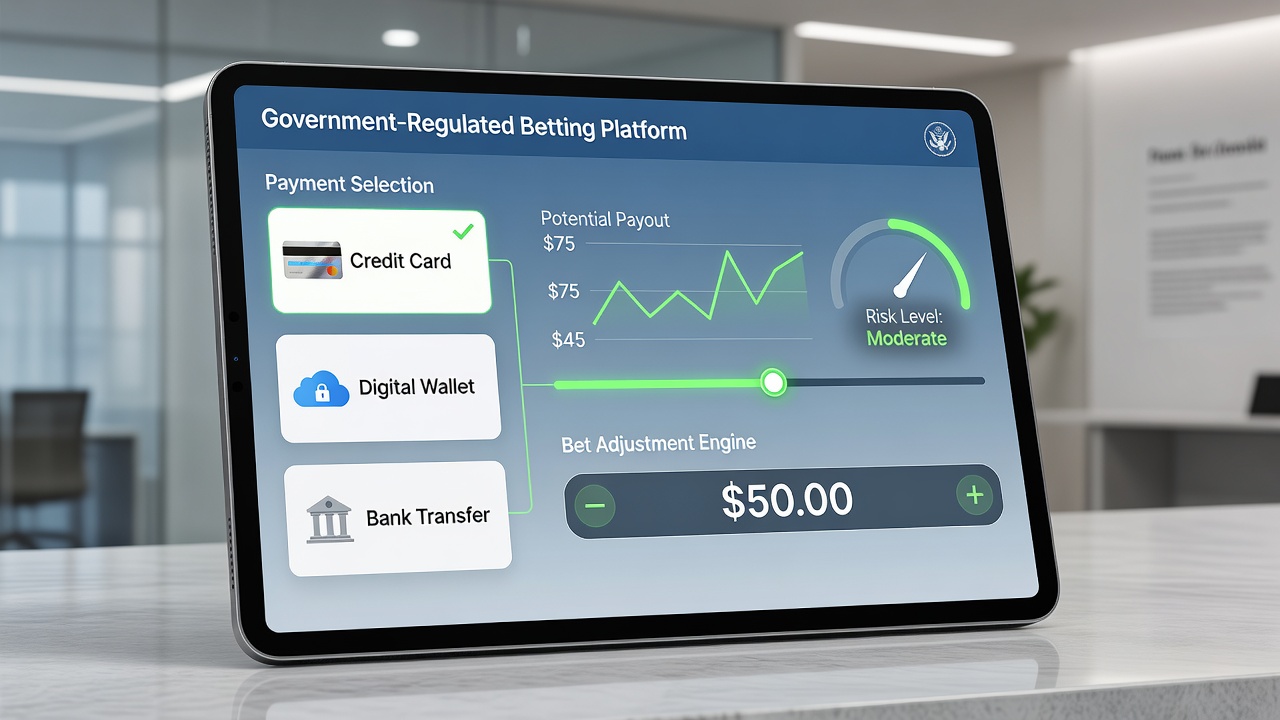
Designers align payment selection panels directly beside adjustment tools so that funding availability displays update in tandem with bet modifications, and this side-by-side arrangement prevents mismatches between account balances and proposed wagers. In June 2026 deployments, several state-licensed operators introduced dynamic banners that flag low-balance scenarios with suggested top-up paths using the same visual language applied to primary payment icons. Such linkages draw from data collected through app analytics that track how often users switch methods when live odds shift rapidly.
Regulated environments require these connections to respect withdrawal and deposit timelines, so layouts incorporate subtle timers or status dots next to each funding option that reflect processing realities reported by the operator. Experts tracking these systems point to examples where unified dashboards in Pennsylvania-licensed apps display both payment confirmations and bet revision histories in a single scrollable feed, which streamlines compliance checks during audits.
Regulatory Influences on Layout Standards
State gaming commissions set parameters around interface clarity to ensure users understand restrictions on certain payment types or adjustment frequencies, and operators respond by embedding explanatory tooltips that appear on first interaction with highlighted elements. Data compiled by oversight bodies shows consistent adoption of these features across jurisdictions that updated mobile betting rules in early 2026. Visual separation of promotional funding from standard deposits further aligns with disclosure requirements, using distinct borders or labels that appear consistently regardless of device size.
One analysis from a Canadian provincial regulator highlighted how layout testing in approved apps led to standardized icon sizes for payment gateways, which in turn supported smoother real-time adjustments by keeping those controls unobstructed. Similar approaches appear in Australian state frameworks, where visual consistency across operators helps users transfer habits between platforms without relearning core navigation patterns.
Observed Patterns in User Navigation
Analytics from licensed platforms reveal that users who encounter payment options arranged by speed of processing tend to complete deposits earlier in live sessions, freeing attention for subsequent bet adjustments. Heatmap studies conducted by research firms indicate sustained focus on central adjustment sliders when surrounding payment indicators remain static and non-intrusive. Patterns emerge most clearly during high-volume events, where layouts that collapse completed transaction details into expandable summaries maintain screen real estate for ongoing wager refinements.
Cross-referencing with reports from the New Jersey Division of Gaming Enforcement shows that interfaces incorporating real-time balance reflections next to adjustment tools maintain alignment with transaction reporting mandates. A separate review from the Victorian Commission for Gambling and Liquor Regulation documented parallel trends in how visual grouping affects method selection rates during volatile live markets.
Conclusion
Visual layouts in regulated sportsbook apps continue to evolve as a bridge between payment workflows and live bet management, with design decisions rooted in compliance data and usage metrics gathered through 2026. These elements work together to present options clearly while supporting the fluid adjustments required in fast-paced events, and ongoing refinements reflect input from both regulators and operational analytics across different jurisdictions.