Mapping User Feedback Patterns to Interface Navigation Choices in Regulated Live Wagering Environments
Bianca Hansen · Aug 12, 2026
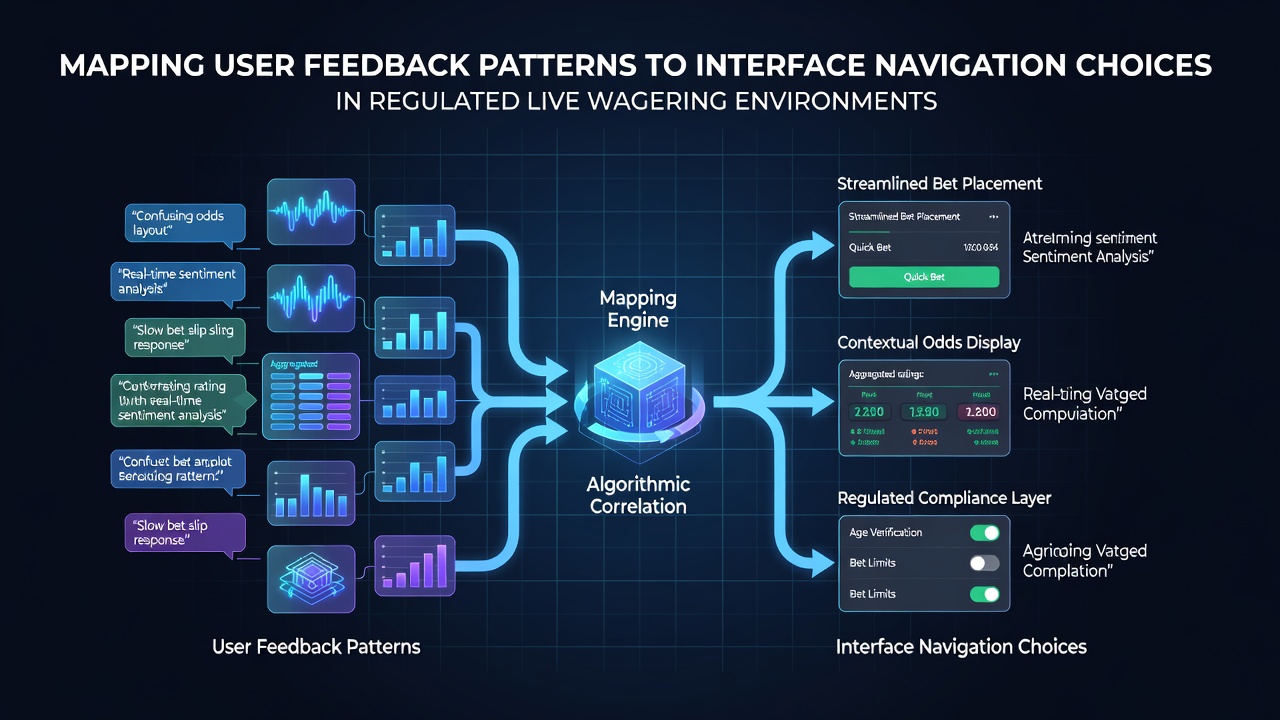
Mapping User Feedback Patterns to Interface Navigation Choices in Regulated Live Wagering Environments
Regulated live wagering environments collect user feedback through structured rating systems, in-app surveys, and transaction logs that platforms analyze to identify navigation trends during real-time events. Data from multiple state-licensed operators shows that feedback clusters around specific interface elements such as odds refresh buttons, bet slip adjustments, and deposit gateways, with patterns emerging most clearly during peak live event periods in August 2026.
Feedback Aggregation Methods Across Jurisdictions
Operators in states like New Jersey and Pennsylvania compile feedback into heat maps that link negative comments about latency directly to repeated taps on refresh icons or switches between event views, while positive notes correlate with streamlined paths that keep users within the main betting screen. Researchers at academic institutions have documented these correlations by matching timestamped reviews with session navigation data, revealing that users who report delays in odds updates often follow extended routes through account menus before returning to live wagers.
Canadian provincial regulators and industry reports further illustrate how aggregated scores from verified accounts highlight preferences for one-tap bet adjustments over multi-step confirmation flows, especially when live event volatility increases. These patterns appear consistently across platforms that operate under strict licensing rules, where navigation logs provide objective measures of how feedback translates into interface redesigns.
Correlations Between Comments and Path Selection
Analysis of review datasets indicates that mentions of payment stability frequently align with navigation choices that prioritize funding screens immediately after placing live bets, creating measurable loops in user journeys. In contrast, comments focused on bonus timing tend to direct traffic toward promotional dashboards rather than the core wagering interface, according to session data collected through 2026.
One study from an Australian research center examined thousands of feedback entries and found that users citing synchronization issues between live odds and bet placement routinely navigate to settings panels for customization options, whereas those satisfied with refresh rates stay within the primary event view for longer durations. Such mappings allow developers to adjust menu hierarchies so that high-complaint areas receive more prominent placement or simplified access.
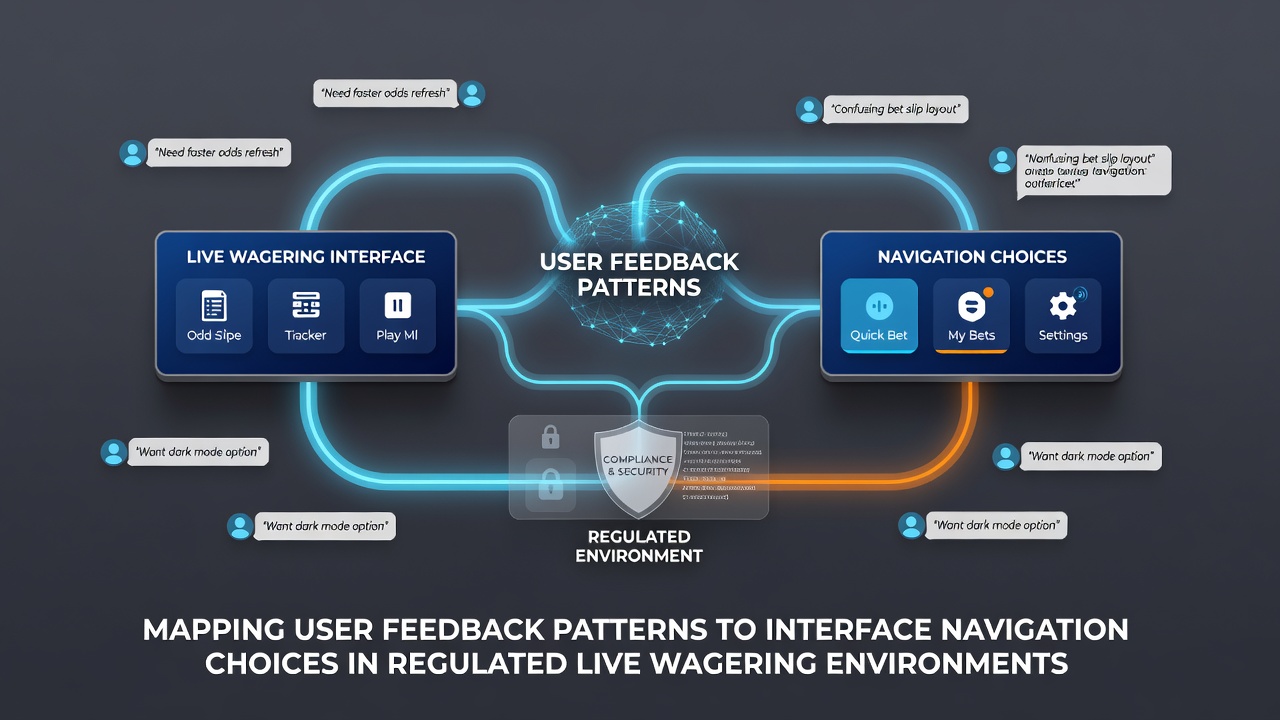
Regulatory Influences on Navigation Adjustments
State rules require platforms to maintain audit trails that connect user feedback to interface modifications, ensuring that changes to navigation elements receive approval before deployment. Figures from regulatory filings reveal that operators responding to patterns in August 2026 introduced collapsible bet slip features after feedback repeatedly flagged excessive scrolling during live events, resulting in shorter average path lengths documented in subsequent logs.
European gambling authorities outside the UK have similarly tracked how feedback about verification delays influences movement toward deposit preference screens, prompting interfaces that surface account status indicators earlier in the session flow. These adjustments demonstrate direct linkages between comment themes and the sequence of screens users encounter while placing wagers in real time.
Case Examples from Platform Data
Take one operator that analyzed reviews mentioning odds accuracy alongside withdrawal speed; the resulting data prompted relocation of transaction history links closer to the live betting area, reducing navigation steps for users who cross-reference past activity with current wagers. Another platform observed that feedback on reward redemption rates clustered around specific menu depths, leading to the addition of quick-access icons that shortened the route from event view to bonus activation.
Observers note that such mappings become particularly pronounced during high-volume periods, where live event coverage spans multiple sports simultaneously and users switch between views at accelerated rates. Patterns extracted from these intervals show consistent relationships between sentiment polarity in reviews and the frequency of certain button interactions or tab selections.
Conclusion
Mapping feedback patterns to navigation choices provides operators with concrete data for refining interface structures in regulated live wagering environments, as evidenced by session logs and review correlations gathered through 2026. These connections support targeted adjustments that align with both user comments and jurisdictional requirements, yielding measurable shifts in how individuals move through applications during active events. Continued analysis of these datasets offers ongoing insight into the relationships between expressed preferences and actual path selections across licensed platforms.