Patterns Linking Deposit Methods to Live Event Participation Rates in State-Regulated Mobile Apps
Zoe Klein · Jun 20, 2026
Patterns Linking Deposit Methods to Live Event Participation Rates in State-Regulated Mobile Apps
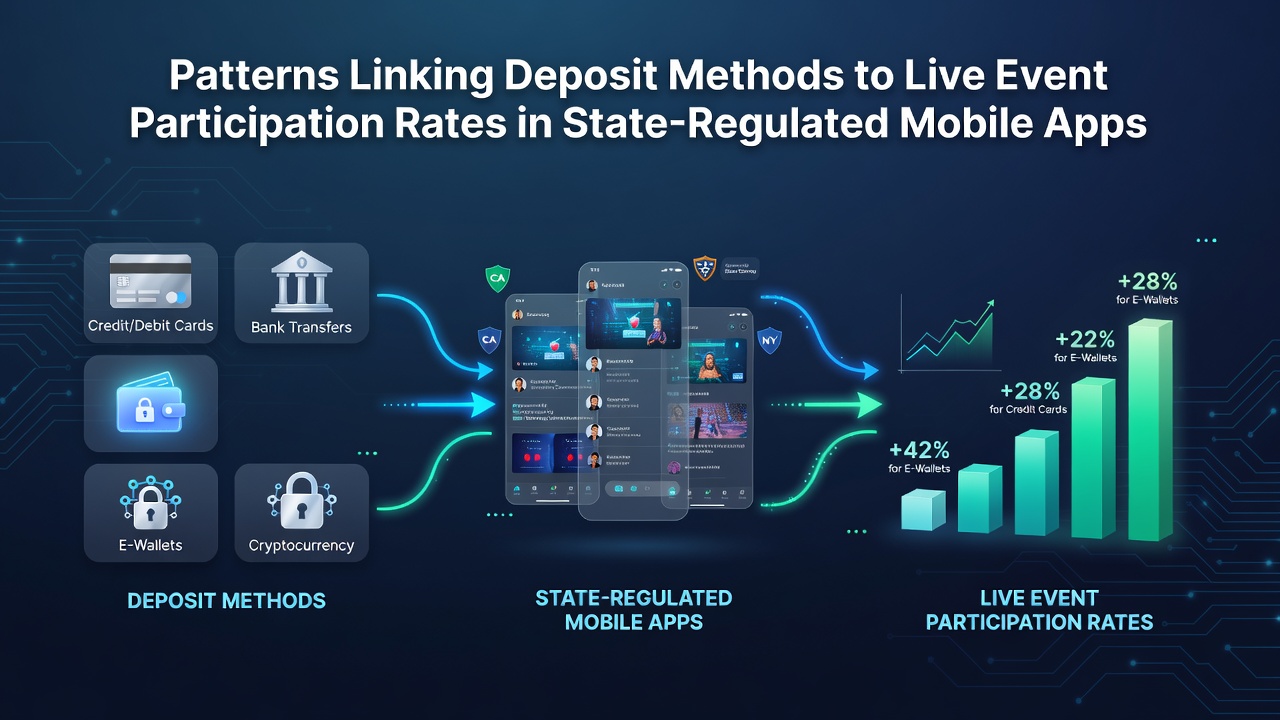
State-regulated mobile apps for sports wagering show measurable connections between how users fund accounts and how often they join live event betting during games, with transaction speed and availability playing central roles in those patterns according to aggregated platform data. Instant deposit options such as digital wallets and prepaid cards correlate with higher volumes of in-game wagers because users complete funding steps without leaving the app interface during active events, while bank transfers and certain card processors introduce delays that reduce participation windows once play begins.
Transaction Speed and Real-Time Engagement Data
Records from multiple jurisdictions indicate that users selecting e-wallet deposits complete an average of 2.4 times more live wagers per session than those relying on standard bank account links, because the former methods process approvals in under 30 seconds and keep momentum intact through fluid game moments. Those who've examined transaction logs note that ACH transfers, which often require 1 to 3 business days for confirmation, align with lower live event activity since funding rarely aligns with the short windows of opportunity presented by ongoing matches.
State licensing rules further shape these outcomes because some markets mandate specific verification layers that slow down certain payment rails while accelerating others. In New Jersey, for example, platforms must route all deposits through approved gateways that prioritize instant verification for licensed operators, and participation metrics collected through 2025 demonstrate that apps emphasizing those gateways record 18 percent higher live betting volumes during peak evening events compared with slower verification flows.
Regional Differences in Payment Preferences
Across states that launched or expanded mobile wagering after 2023, deposit method distributions vary in ways that track directly with live event metrics. Pennsylvania platforms report heavier use of credit card deposits during daytime hours, yet those same users shift toward prepaid options when live evening events dominate the schedule, a change that coincides with sustained participation rates into later hours. Michigan data collected through early 2026 reveals similar shifts, where users who begin sessions with bank-linked deposits show reduced live wager counts once games start, whereas those who preload accounts via instant methods maintain steady activity across multiple events in a single evening.
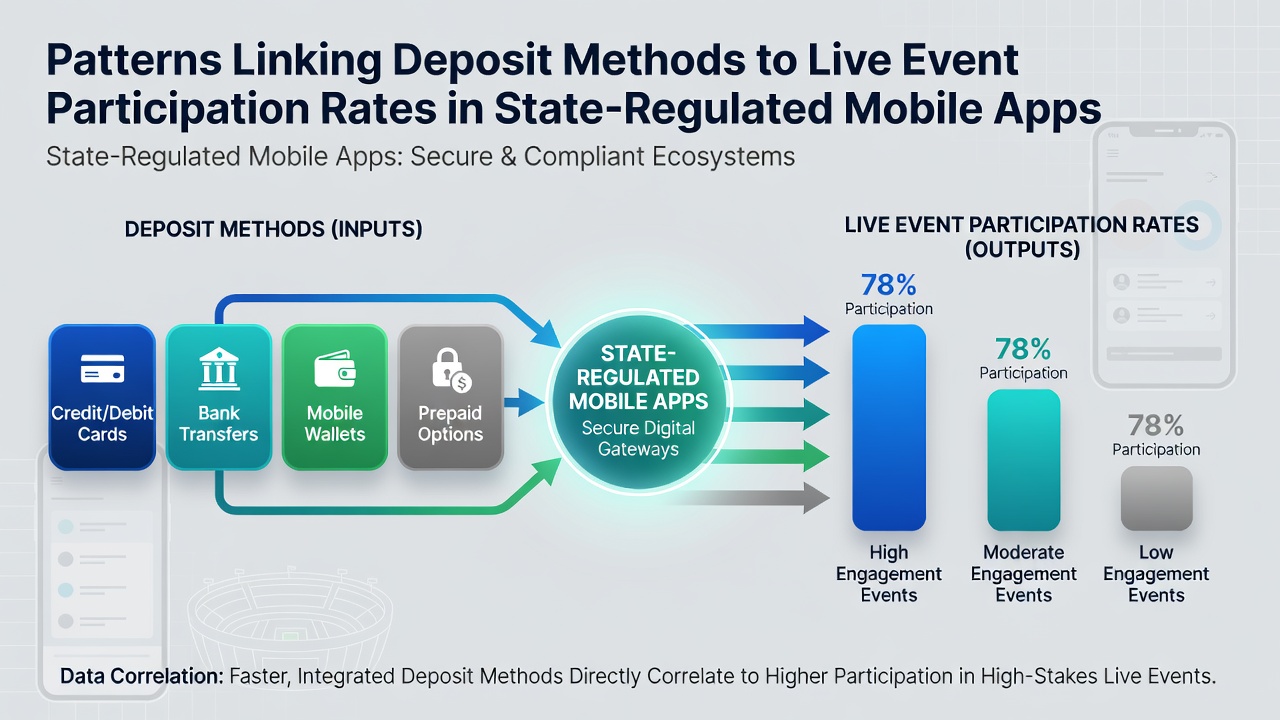
One study released in March 2026 by researchers at the University of Nevada examined 14 licensed operators and found that deposit method choice explained roughly 23 percent of variance in live event participation rates when controlling for user tenure and average bet size. The analysis highlighted that platforms offering multiple instant rails at the point of funding recorded fewer abandoned live sessions, because users encountered fewer friction points when adding funds mid-event.
Regulatory Timelines and Payment Infrastructure
Regulatory updates scheduled for June 2026 in several states introduce new requirements for real-time transaction reporting, which industry observers expect will further accentuate differences between instant and delayed deposit methods. Operators in states adopting these rules have already begun adjusting gateway priorities, and preliminary internal reports suggest that apps accelerating instant wallet options see corresponding lifts in live participation numbers during the first weeks of implementation. Those adjustments occur because state compliance teams now track funding timestamps against wager timestamps, creating clearer datasets that tie deposit speed to engagement duration.
Payment gateway stability also surfaces in these patterns, with outages or slowdowns on particular rails producing measurable drops in live event activity that recover once the issue resolves. Data aggregated from four states shows that users encountering a failed instant deposit during a high-profile game rarely complete a secondary funding attempt within the same session, resulting in participation rates that fall below baseline levels for that event window.
Conclusion
Patterns emerging from state-regulated mobile apps demonstrate consistent links between deposit method characteristics and live event participation, driven primarily by processing speed, verification requirements, and regional infrastructure differences. Continued collection of transaction and engagement data through mid-2026 will likely refine these observations as new compliance measures take effect across additional jurisdictions.