Regulatory Geography Reshapes Bonus Systems and Transaction Channels in Certified Sports Betting Applications
Avery Bennett · Aug 22, 2026
Regulatory Geography Reshapes Bonus Systems and Transaction Channels in Certified Sports Betting Applications
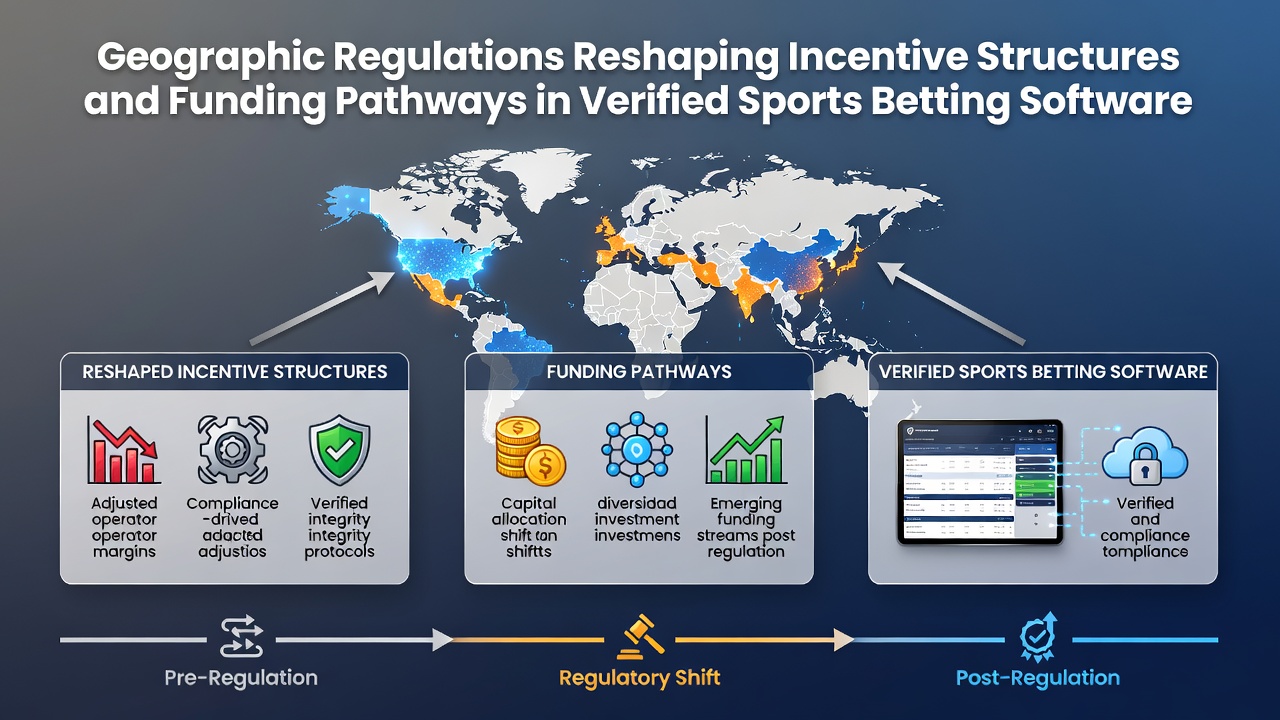
Geographic regulations continue to dictate how verified sports betting software structures incentives and routes funding options, with rules varying sharply by jurisdiction and forcing operators to adjust promotional offers along with deposit and withdrawal pathways. As of August 2026, multiple U.S. states along with Canadian provinces maintain distinct licensing requirements that directly influence which bonuses activate for users and which payment processors integrate into the platform code.
Regional Licensing Rules Drive Incentive Customization
Operators must tailor bonus structures to comply with local statutes, so a welcome offer available in one state often disappears or changes form when users cross into another regulatory zone. Data from industry monitoring shows that states with stricter advertising caps limit bonus percentages while jurisdictions allowing higher promotional flexibility enable larger match rates and free bet credits. Researchers at academic institutions have documented how these differences create fragmented incentive maps where the same software application displays entirely separate reward menus based on GPS location and IP verification.
Payment pathways face similar constraints because many regions restrict the use of certain digital wallets or require specific banking integrations tied to licensed financial institutions. Software developers therefore embed conditional logic that filters available funding methods at the account creation stage, ensuring compliance before any transaction processes. Observers note that this filtering occurs automatically and prevents users from selecting non-approved options even when those methods function elsewhere.
Funding Pathway Adaptations Across Jurisdictions
Transaction flows adapt through backend configurations that reference regulatory databases updated monthly. In practice this means a user in a state permitting instant ACH transfers sees that option immediately while another user in a province requiring 24-hour holds encounters delayed processing built into the interface. Figures released by trade associations indicate that such variations affect average deposit completion times by up to 40 percent across borders.
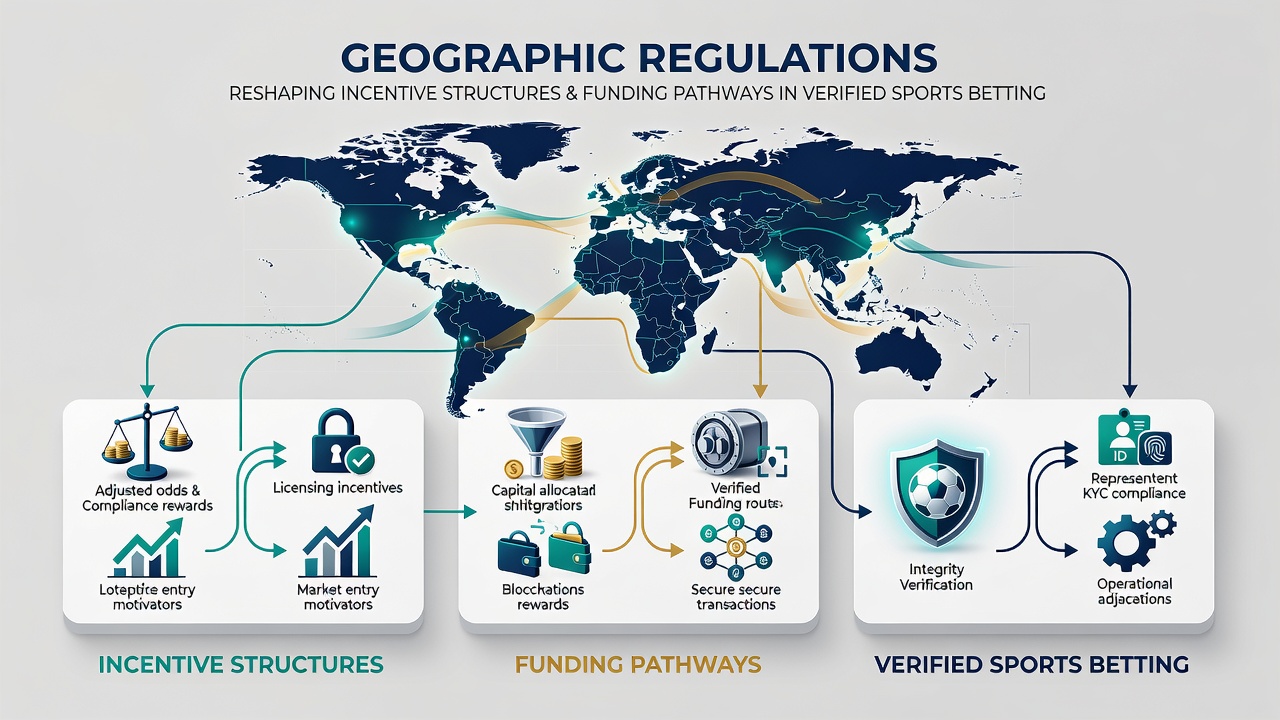
Software verification processes incorporate geofencing that cross-checks user location against approved lists maintained by each licensing body. When regulations change, updates push through over-the-air patches that recalibrate which incentives appear and which gateways remain open. Those who have studied platform architecture point out that these updates must undergo re-certification in every affected jurisdiction before deployment, extending implementation timelines from weeks to several months.
Case Examples from Multiple Markets
Take one operator active in both Michigan and Pennsylvania where state rules diverge on bonus rollover requirements. The same application enforces a 5x rollover in one location yet applies an 8x threshold in the other, all triggered by address verification at login. Similar patterns appear in Canadian provinces where Ontario permits certain e-wallet bonuses that Quebec currently prohibits, resulting in distinct promotional calendars within identical codebases.
External analysis from the American Gaming Association highlights how these regulatory layers compound when operators expand into new markets. Funding preferences shift accordingly, with credit card usage rising in states that approve them and cryptocurrency options expanding only where local statutes explicitly allow digital asset transactions.
Software Development Implications
Developers maintain modular codebases that isolate incentive and payment modules so regional rules can toggle without full rebuilds. This architecture supports rapid compliance adjustments while preserving core wagering functionality. Studies from research institutions reveal that platforms using such modular designs reduce update costs by approximately 25 percent compared with monolithic systems that require complete recoding for each jurisdiction.
Verification delays sometimes occur when new rules mandate additional identity checks before certain funding methods activate. Users encounter these checks as part of the initial setup rather than during live play, which maintains continuity once accounts clear regulatory hurdles. The result appears in aggregated platform logs showing higher completion rates for deposits after the first verification cycle completes.
Conclusion
Geographic regulations continue to segment incentive structures and funding pathways within verified sports betting software, producing distinct user experiences that reflect each jurisdiction's specific statutes. Operators respond through adaptive code and frequent certification cycles that keep platforms aligned with evolving requirements. Data indicates these patterns will persist as additional regions finalize their own licensing frameworks.