Tracing Payment Pathway Preferences Through User Evaluations in Legally Operating Sportsbook Mobile Interfaces
Bianca Hansen · Jun 13, 2026
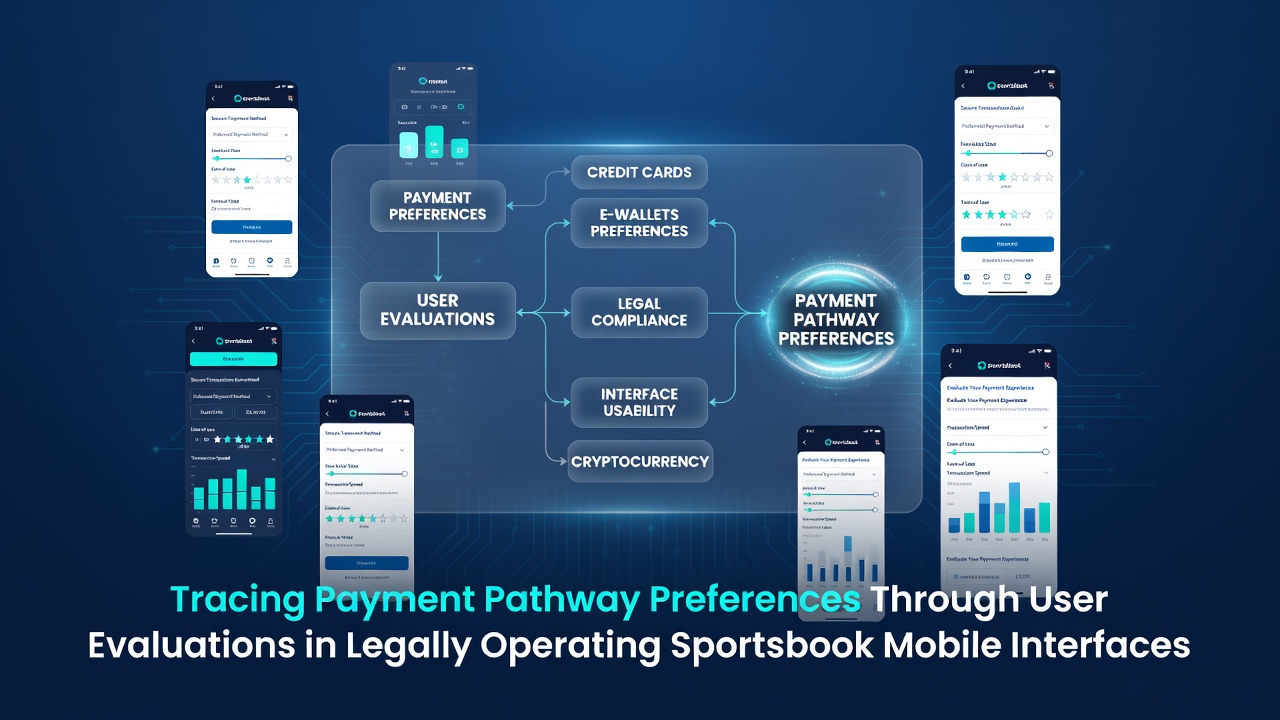
Tracing Payment Pathway Preferences Through User Evaluations in Legally Operating Sportsbook Mobile Interfaces
Legal sportsbook mobile interfaces have seen payment pathway preferences shift in measurable ways according to aggregated user evaluations collected through app stores and regulatory reporting channels, and data from multiple jurisdictions shows patterns emerging by mid-2026 that link transaction speed ratings directly to overall platform satisfaction scores. Researchers tracking these evaluations note consistent preferences for integrated digital wallet options over traditional card entries in states with mature licensing frameworks, while figures from industry reports indicate that users rate seamless funding flows higher when verification steps complete within a single session rather than requiring follow-up actions.
Patterns in Evaluation Data Across Licensed Platforms
Evaluations compiled from state-authorized applications reveal that payment pathway choices correlate strongly with interface design elements such as one-tap confirmation buttons and real-time balance updates, and observers tracking these trends point to higher satisfaction scores in apps that embed multiple funding methods without forcing users through separate browser redirects. Data indicates users frequently highlight the stability of e-wallet integrations in their reviews, citing fewer interruptions during live event periods compared to direct bank transfers that sometimes trigger additional authentication prompts, yet the same datasets show regional differences where certain debit card pathways receive elevated marks in jurisdictions with streamlined regulatory approval processes.
Factors Influencing Pathway Selection in User Feedback
User reviews often emphasize security indicators displayed within the mobile interface as a deciding element when selecting payment routes, and evaluations collected through 2025 into June 2026 demonstrate that apps displaying clear encryption badges alongside transaction summaries receive stronger positive mentions for their funding sections. Studies from academic sources have examined how these visual cues affect selection rates, with results showing that pathways incorporating biometric confirmation steps earn higher marks for perceived reliability across user cohorts in regulated markets. What's interesting is the way evaluations cluster around transaction fee transparency, since reviewers who note visible cost breakdowns tend to assign better overall ratings to platforms that maintain consistent gateway performance during peak wagering windows.
According to reports issued by the American Gaming Association, payment pathway preferences documented in evaluation summaries reflect broader adoption of instant settlement features in mobile environments, and these summaries connect higher user scores to apps that minimize the steps between deposit initiation and wager placement. Observers have documented cases where interfaces offering multiple verified options without requiring repeated account linkages attract repeat engagement, while platforms limiting choices to fewer gateways see lower marks in the payment-related feedback categories.
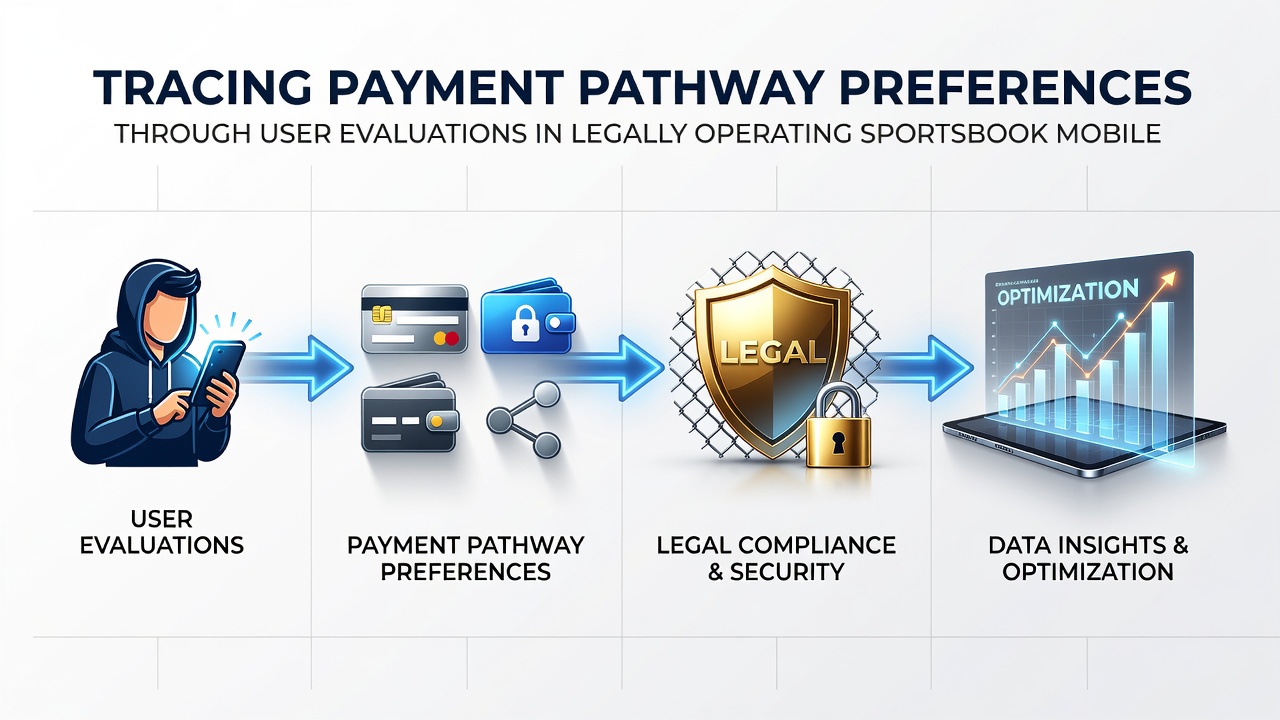
Regional Variations in Evaluation Trends
Evaluations gathered from different state systems highlight variations in preferred pathways tied to local banking partnerships, and data compiled through regulatory filings shows that users in certain regions assign stronger ratings to pathways integrated with established financial institutions rather than newer digital alternatives. Research published by the Canadian Gaming Association has tracked similar patterns north of the border, where mobile interfaces emphasizing local currency handling receive elevated marks in user feedback for transaction predictability, and those findings align with observations from Australian regulatory summaries that connect payment speed ratings to interface customization levels. People reviewing these cross-border datasets note that evaluations mentioning successful multi-state account portability often reference payment options that maintain consistent performance across jurisdictional boundaries.
Interface Design Elements Tied to Payment Ratings
Mobile interfaces that present payment pathways through unified dashboards tend to collect more favorable evaluations according to aggregated review analyses, and experts examining these trends point to reduced cognitive load as a contributing factor when users rate their experiences. Evaluations frequently reference the ease of switching between stored methods without re-entering details, and such comments cluster around platforms that update available options dynamically based on user location and account history. Data shows that interfaces incorporating progress indicators during transaction processing receive more mentions in positive payment feedback threads, while those lacking such visual elements draw comments about uncertainty in completion times.
Industry research institutions have compiled evaluation datasets that link payment pathway preferences to broader retention metrics, and the resulting reports demonstrate how users who rate specific gateways highly often maintain longer engagement periods with the overall application. These connections appear consistently across licensed environments where mobile interfaces prioritize clear navigation between funding tools and betting sections.
Conclusion
Evaluation data collected from legally operating sportsbook mobile interfaces continues to map payment pathway preferences through structured user feedback, and patterns identified through June 2026 underscore the role of interface elements in shaping selection trends across regulated markets. Observers tracking these developments note ongoing correlations between transaction transparency features and satisfaction indicators, while regional reports provide additional context on how local factors influence the pathways that receive the strongest user ratings.